• featured
  • Order Prints
Menu

Small Town Big World

  • featured
  • Order Prints
×

Living in the woods of Costa Rica

Scott Walker March 16, 2016

Born and raised in Costa Rica she doesn't have much, but she was all smiles. In the background is the place that she and her family call home.

The makeshift house is built of tarps, old fabric and metal roofing material. The home sits in the woods and is within a short walk to Pacific Ocean. There are over 800 miles of coastline in Costa Rica, much of which are made up of bluffs and steep rocks.

It is often necessary for the woman of the residence to stay home with young children as the average wage is about $10 per day, the highest in Central America. However, that is not enough to afford childcare.

Because her home is in the woods, she see's Iguana's and monkeys on a daily basis. While most Costa Ricans don't eat monkey and iguana meat, they do in neighboring Nicaragua. In fact, the government of Nicaragua encourages residents to eat iguana as opposed to chicken because iguanas are cheaper to raise when income is scarce. Plus, iguanas offer more protein than chickens. Iguanas have 24% protein compared with 18% in chicken.

In people, People, Places Tags Costa Rica, Pacific Ocean, Fuji, Fuji X, X100s, FujiFilm, Third World, third world
Comment

Barefoot on hot concrete in Granada, Nicaragua

Scott Walker March 16, 2016

He was walking through the streets of Granada, Nicaragua with no shoes. The pavement was burning hot as the sun beams down on the city of about 130,000 residents. He was asking locals for money and many obliged handing him several córdoba’s or dollars.

Granada was founded in 1524 and is one of the oldest settlements among Latin American countries. Granada is located along the coast of the Lake Nicaragua. In the early days of formation it was the location of huge battles as English, French and Dutch pirates tried to take control of Nicaragua.

While the economy is better in Granada compared to other cities in Nicaragua, the U.S. Government warns American’s to use caution when traveling in the city. Political unrest often leads to demonstrations in cities like Granada as the next Presidential and National Assembly election will take place in November of 2016.  Sometimes political demonstrations turn violent as tempers escalate quickly.

Due to political unrest in Nicaragua and high crime, all U.S. Government personnel who travel to the area must be pre-approved because of safety concerns. Off duty government workers are not allowed to enter certain outdoor market areas due to increasing crime. 

The U.S. Bureau of Diplomatic Security announced in 2015, “The number of reports of burglary increased 63 percent from 2013 to 2014. The most frequent locations where non-violent crimes were reported to occur were restaurants, hotels (60 percent increase), roadways (700 percent increase), and on buses. There were also significant increases in reports from beaches and tourist areas. The majority of non-violent crimes were reported to occur during the day.” The U.S. also reported, “The municipalities with the highest rates of criminal complaints per 10,000 inhabitants were Bluefields, Granada, Puerto Cabezas, Managua, and Diriamba.”

In Places, people, People Tags Granada, Nicaragua, street photography, Scott Walker, homeless, Fuji, Fuji X, X100s, third world, Third World
Comment

Ice Cream in a Third World Country

Scott Walker March 16, 2016

His face was badly weathered as if he had spent every waking hour in the hot sun. The man who appeared to be in his late 70’s, was a hard worker.

He rode his three wheeled bike through the streets of Masaya, Nicaragua selling ice cream out of a large cooler attached to the back of his bike. When he saw a crowd of people he would stop and hold up different flavors in hopes of selling a few treats.

The United States Government reports that Nicaragua has one of the poorest economies in the hemisphere. They also report that U.S. residents are often targets of crime when they visit the country. Furthermore, the Nicaraguan government works hard at suggesting Americans are not to be trusted, according to the U.S. Department of State.

When help is needed, the National Police Force of Nicaragua is scarce. One local resident told me that police are corrupt and some officers get paid only $2 per day. I later found that the average Nicaraguan police officer receives $120 per month for their services, which is the lowest pay among nearly all Central American countries. In other words, $2 per day would be on the low end of the spectrum for a new officer while $120 per month is the average of all officers.

Ronald Reagan once stated, "Violence has been Nicaragua's most important export to the world."

In people, People, Places Tags Masaya Nicaragua, Nicaragua, third world, Third World, Fuji, X100s, Fujix, street photography, Scott Walker
Comment
View fullsize KY Military Base 1 (1 of 1).jpg
View fullsize KY Military Base 2 (1 of 1).jpg
View fullsize KY Military Base 3 (1 of 1).jpg
View fullsize KY Military Base 4 (1 of 1).jpg
View fullsize KY Military Base 5 (1 of 1).jpg
View fullsize KY Military Base 6 (1 of 1).jpg
View fullsize KY Military Base 7 (1 of 1).jpg
View fullsize KY Military Base 8 (1 of 1).jpg

It was once one of the largest Army and German P.O.W. Bases in the South

Scott Walker March 6, 2016

Prior to World War II, a large military base formed in Union County Kentucky. The United States Government came in and gave farmers below what would be considered fair market value at the time for their land. The flat acreage where you could see as far as 16-miles proved to be the perfect training grounds troops to learn war weaponry of guns and tanks. The rural area is a little over an hour away from Clarksville near the Indiana state line.

Camp Breckinridge in Union County was the headquarters of the 506th Regiment of the 101st Airborne Division in the 1930’s and 1940’s.

As World War II broke out in 1937, the U.S. Army quickly realized they needed a place to house German Prisoners of War. The base in Union County became the official P.O.W. prison camp housing 3,000 Germans.

The base population stood at about 45 thousand residents prior and during WWII and later the Korean War. The large base was also home to basic training for new Army recruits in the 30’s and 40’s.

Today, the population in Union County, Kentucky is about 15,000 residents. Of course, that is a drastic drop compared to the 45,000 military residents and 3,000 inmates that called Union County home between 1930 and 1950.

Most of the old World War II era barracks that were left standing were sold to investors in the 1970’s as the land was divided, but the majority of the military classrooms, prison walls, prison cells, cafeteria’s and stores on the massive base were torn down when the government shut the base down. Investors later hired contractors to perform low cost renovations on the interior of the 1930 era barracks dividing them into duplexes so that they could be rented out to residents of low income brackets.

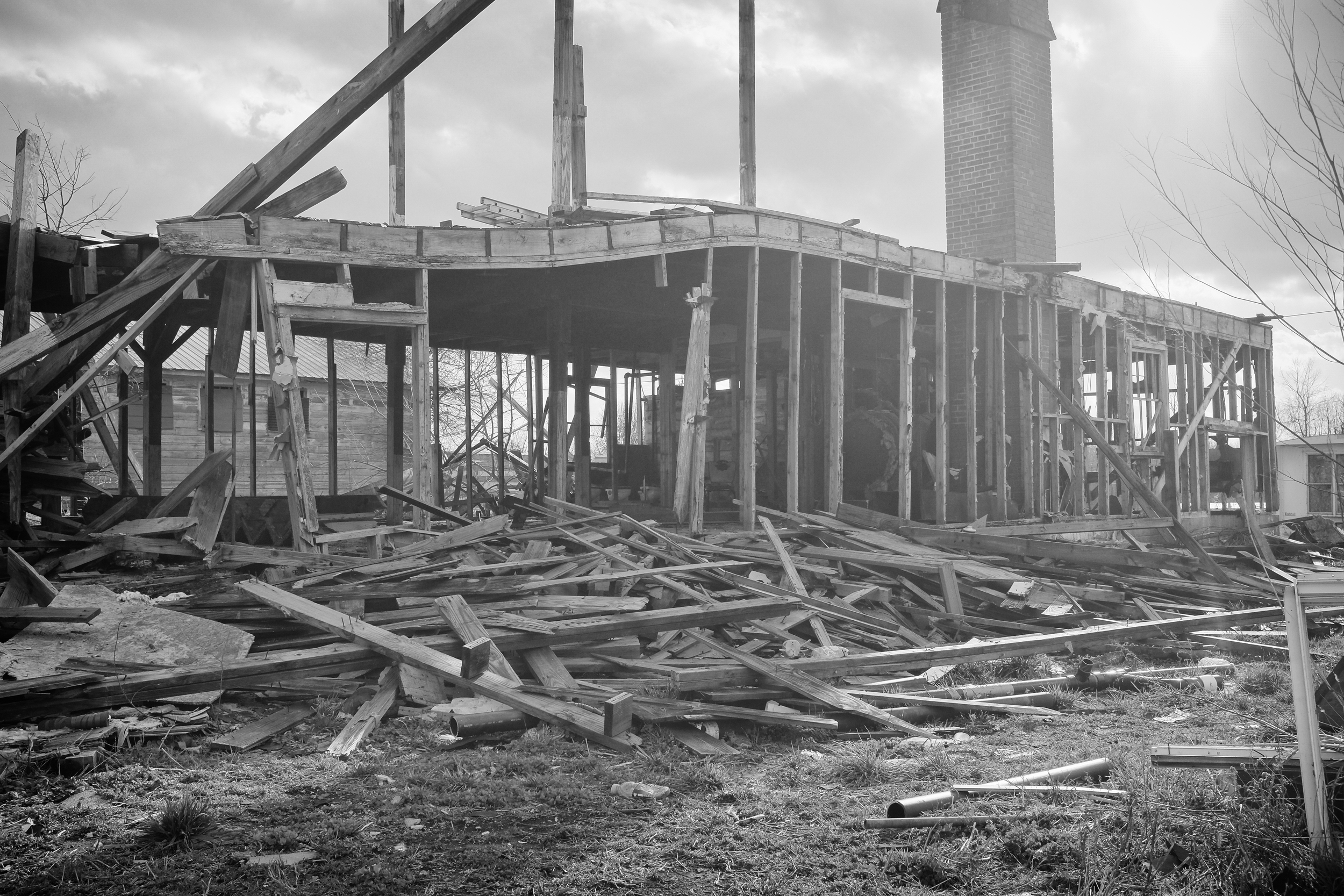
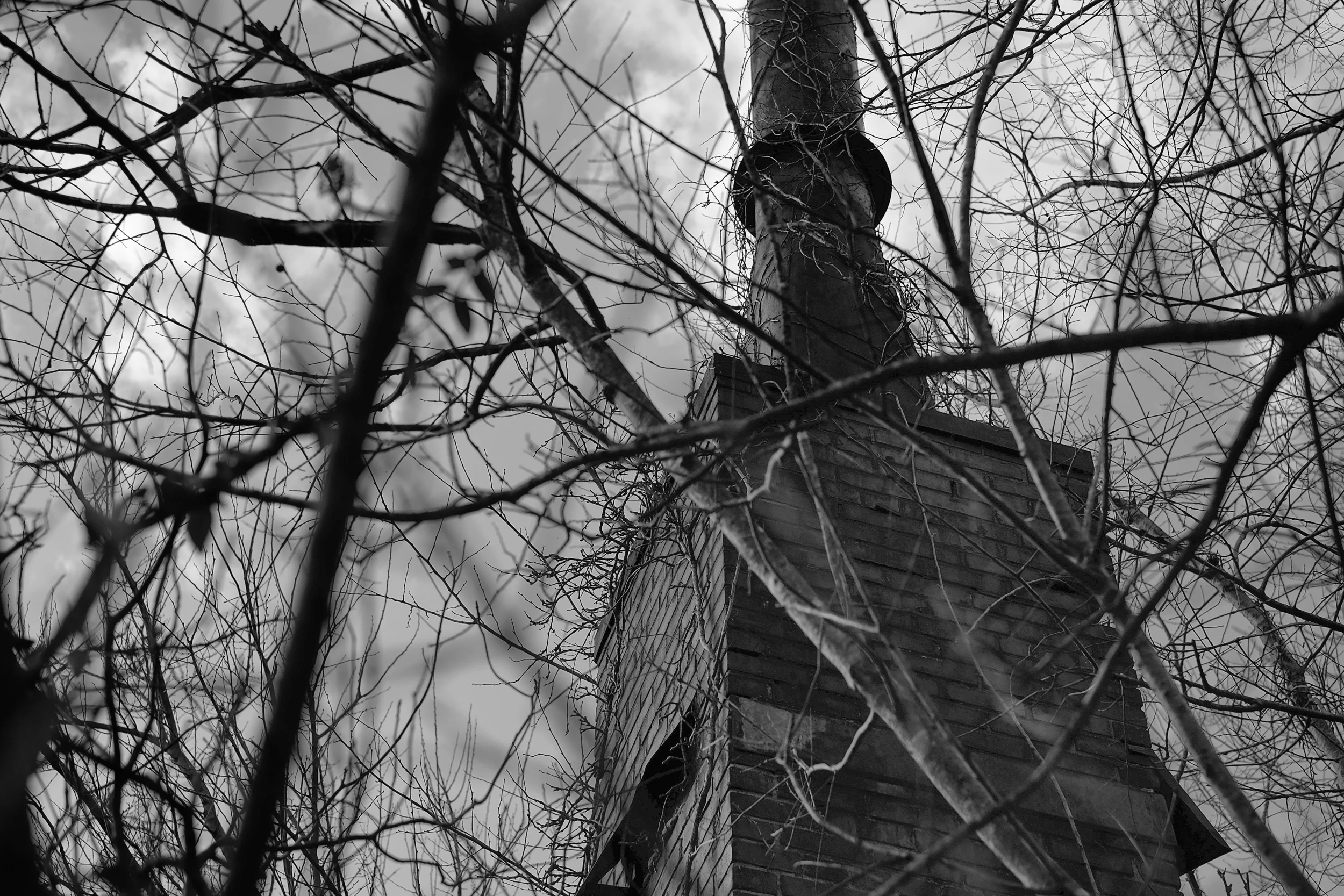
As we drove through what was once the base, every 50 to 100 feet you could see large smoke stacks protruding through heavily dense wooded areas that were to my right and left. I then stopped the truck and walked into the woods to further examine the stack's. I could still see the concrete foundations to old military buildings that probably went for miles. There were 50 or more stacks on the land in the area near the old barracks.

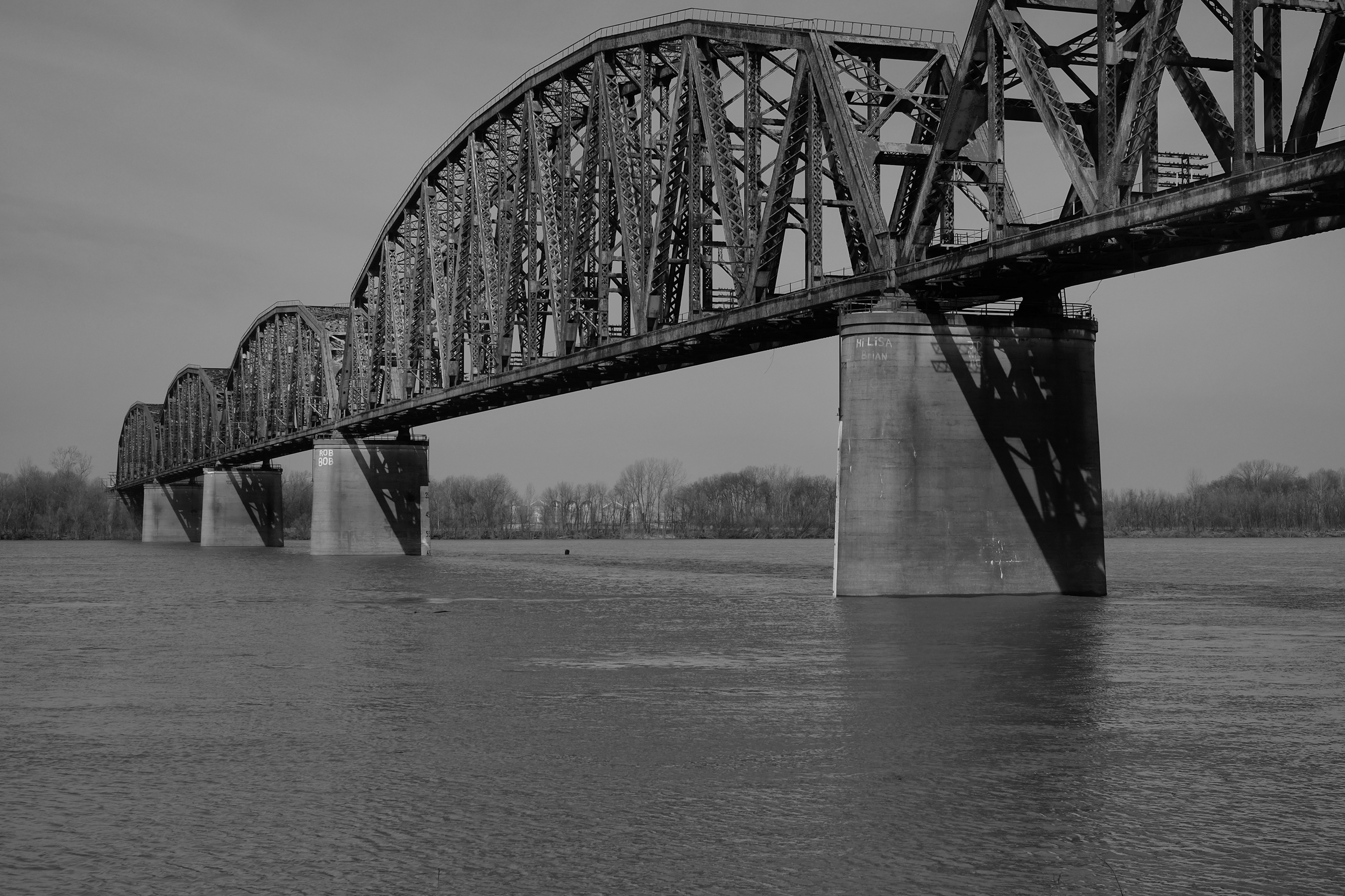
A railroad once ran between the military base and the Ohio River, which was only about 7 miles away. Supplies were shipped to the base on barges and by rail. 
On the banks of the river, we found a massive chain that may have once been used to tie off the barges while they unloaded. The large chain was about six inches in diameter.

As you look at these photos, imagine it a base that was once alive and vibrant.

In News, Places Tags Camp Breckinridge, 101st Airborne, Union County, Kentucky, KY, Fuji, X100s, XT1, 35mm, Clarksville, Ohio River, Army, WWII, German POW Camp, POW Camp, POW, Korean War, boot camp, urban decay, empty places, Empty Places
11 Comments

Chilling on Hippie Hill

Scott Walker February 29, 2016

These ladies are relaxing at Hippie Hill in Tennessee.

Hippie Hill is a community for families that have no where to go. It's been operated in rural Rutherford County, near the Cannon County line, for more than a decade to provide the transient and homeless community temporary housing and basic necessities. Dwight Teagarden told me, "Many of the folks out here find that they don't fit in down there [pointing towards the city], but they fit in here - we love them." 

"The most basic human desire is to feel like you belong. Fitting in is important." - Simon Sinek

In people, People, Places Tags Hippie Hill, Hippies, Murfreesboro, Nashville, homeless, Fuji, FujiFilm, X100s
Comment

The truck rolled down the hill

Scott Walker February 29, 2016

Dwight, who lives on Hippie Hill, told me this truck is used to haul water up and down the mountainside. "One time the guys were hauling water in a great big container and a wasp got in the cab - the guy driving started swatting at it and lost control. The truck rolled over on the hillside - but we still use it and it still runs." 

You have to love the durability of old trucks. They last forever. 

In Places, Transportation Tags Hippie, Hippie Hill, Hippies, Scott Walker, Murfreesboro, Fuji, X100s, FujiFilm
Comment
MtJuliet 5.jpg MtJuliet 1.jpg MtJuliet 3.jpg MtJuliet 4.jpg

A little creepy

Scott Walker February 26, 2016

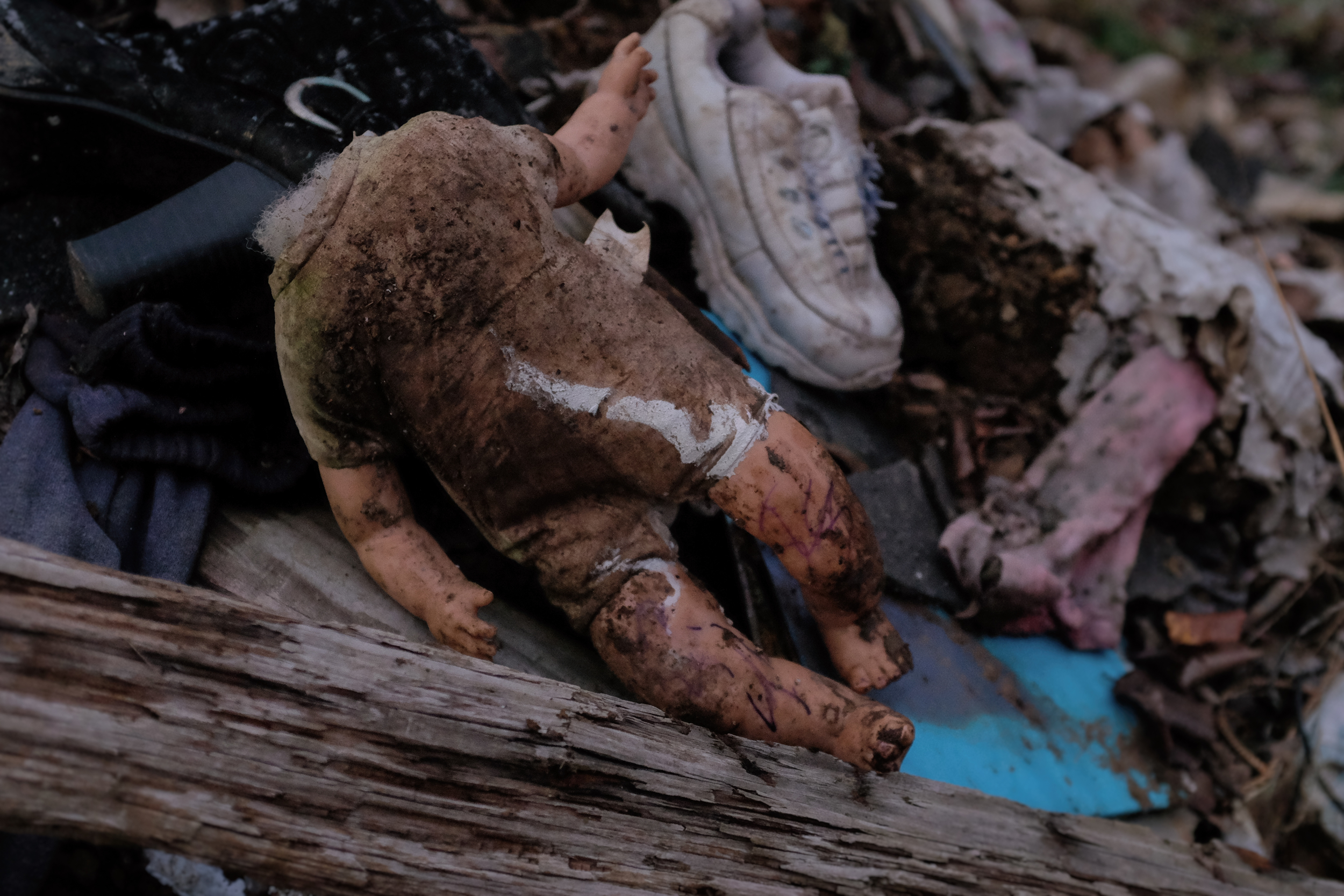
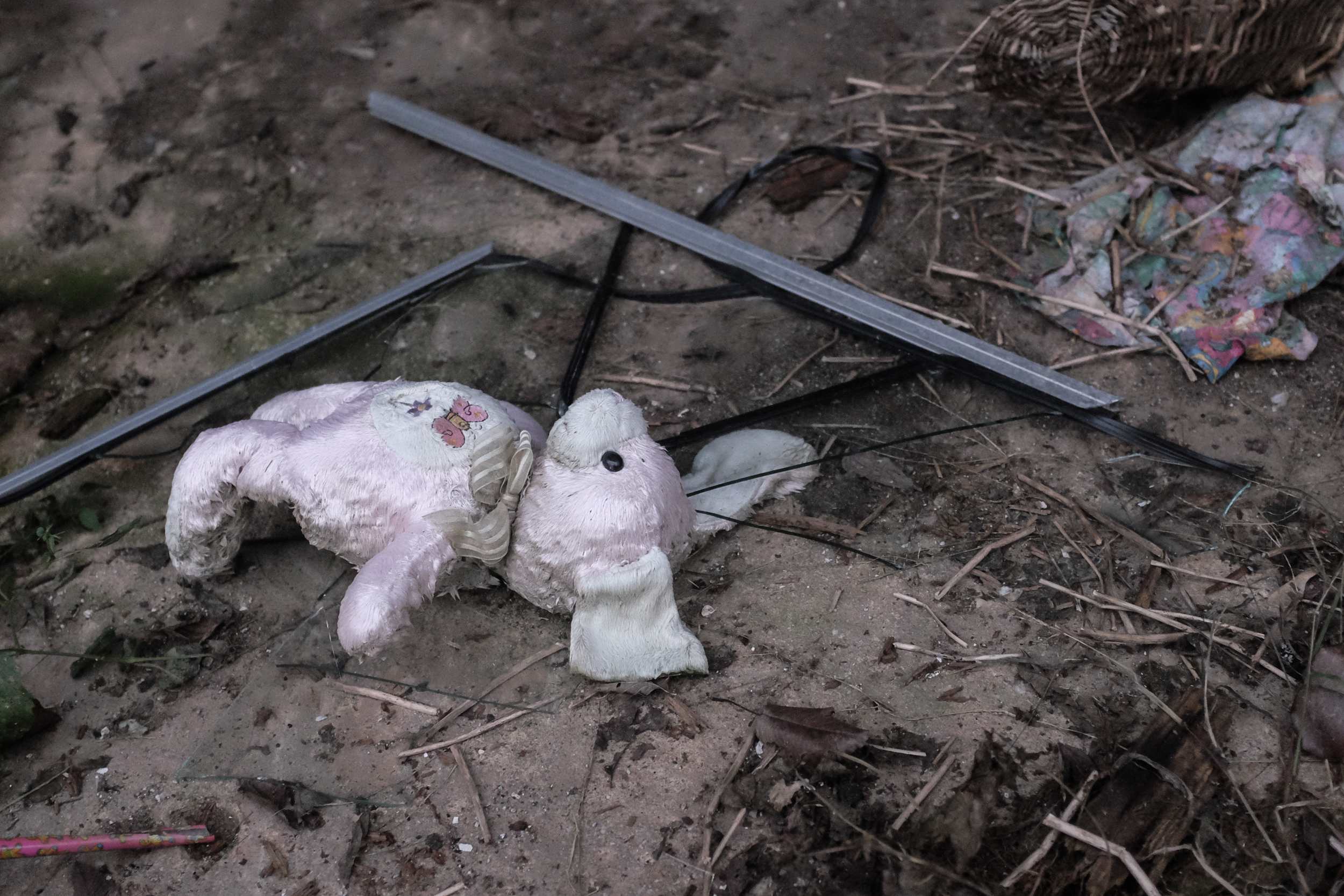
This is an old deserted home I came across recently. It was a little creepy, lot's of dolls lying around in the rubble. 

While I realize this was once a home, I could not get the thought out of my mind about all the waste we have in our heads. I know that sounds weird, but I saw the comparison with this house. Years of debris like the doll I found with the head ripped off... I don't think I will be back to visit this place. 

"If you leave the smallest corner of your head vacant for a moment, other people's opinions will rush in from all quarters." - George Bernard Shaw

In Places Tags urban decay, Empty Places, empty places, empty spaces, Fuji, X100s, Scott Walker, Tennessee, Nashville
Comment

It was once Beautiful

Scott Walker February 26, 2016

Detroit has more than 10,000 abandoned homes and is labeled as having the highest crime rate in America. However, it was almost poetic seeing architecturally beautiful 19th century homes falling apart in fields all throughout Detroit. It was like walking through a graveyard of vast wealth that no one kept up with.

This home, probably 5,000 square feet in size, was missing the entire back wall.

"Art is never finished, only abandoned." - Leonardo da Vinci

In Places Tags Detroit, urban decay, Fuji, X100s, Scott Walker, empty places, empty spaces, Empty Places
Comment

Empty neighborhoods a mile long

Scott Walker February 26, 2016

A neighborhood street in the downtown area of Detroit. 

"Downtown Detroit has more vacant buildings over 10 storeys than any city in the world." - Meg White

In Places Tags urban decay, empty places, Detroit, Fuji, X100s, Empty Places, empty spaces
Comment

Built in 1967

Scott Walker February 26, 2016

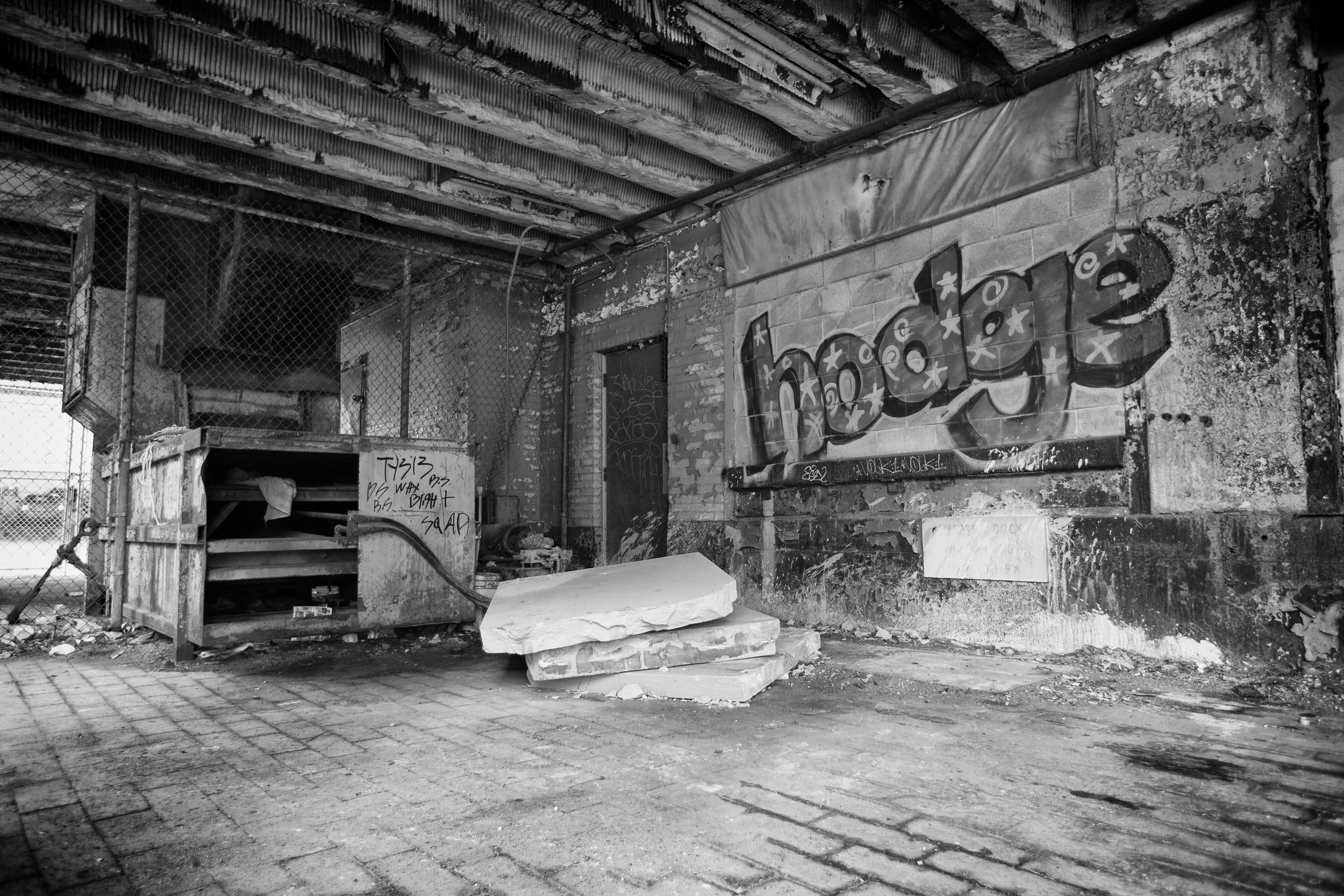
This small building was built in 1967. It sits behind a shuttered Detroit Fire Station that still has a 1980’s model fire truck sitting in the rear parking lot.

The building, once covered in graffiti, was pressure washed and nicknamed “Dzale’s House of Faith.” That was over 10-years ago and I have no clue as to who Dzale is or where he might be? I can say for sure, he was not in his house of faith.

Today, it sits empty.

In Places Tags Detroit, Canon, MarkIII, urban decay, Michigan, empty places, empty spaces, Empty Places
Comment
View fullsize BandW CAVE 1 (1 of 1).jpg
View fullsize BandW CAVE 2 (1 of 1).jpg
View fullsize BandW CAVE 3 (1 of 1).jpg
View fullsize BandW CAVE 4 (1 of 1).jpg
View fullsize BandW CAVE 5 (1 of 1).jpg
View fullsize BandW CAVE 6 (1 of 1).jpg

Deep into a cave located in Rutherford County, TN

Scott Walker February 1, 2016

See video below: As I descended into the dark cave, partially climbing and sliding the rest of the way, I heard a loud roar of water in the distance. Once I found a firm footing and was able to fully stand, I asked my friend Jeff Paul if we were in any danger of the water rising as it was raining outside. He gave me a reassuring, “If the water was six inches higher in the cave, I would not have taken you in here.”

Read More
In Places, News, People, people Tags caves, Rutherford County, TN, Tennessee, Murfreesboro, Canon, Mark III, Scott Walker, mastodon, Rutherford County caves, Murfreesboro caves, Tennessee caves, Jeff Paul
12 Comments

Empty Places: Deserted and trashed home

Scott Walker January 23, 2016

The walls were blank of family portraits, but it was clearly evident that this house was once a home to someone or some family. The house was on an empty street that was once crowded with homes. The City of Detroit bulldozed the other homes on the road to prevent arson, which costs the city money. This home, likely still owned by a family, was spared.

“Home is people. Not a place. If you go back there after the people are gone, then all you can see is what is not there any more.” ― Robin Hobb, Fool's Fate

In Places Tags Empty Places, Empty Spaces, empty places, Detroit, Scott Walker, Fuji, X100s
Comment
View fullsize Chair (1 of 1).jpg
View fullsize Canning (1 of 1).jpg
View fullsize Class of 33 (1 of 1).jpg
View fullsize Table (1 of 1).jpg

Empty Places: In the mountains of East Tennessee

Scott Walker January 19, 2016

An empty house in the mountains of East Tennessee sits alone and overgrown with dust. Papers are in place as if someone left their life out the front door. Canning jars were filled on shelves with newspapers dating back 50-years or more. 

"Leave it as it is. The ages have been at work on it and man can only mar it."  - Theodore Roosevelt

In Places Tags Fuji, X100s, FujiFilm, Scott Walker, Empty Places, empty places, empty spaces, Empty Spaces, Tennessee
Comment
View fullsize Nuc 8 (1 of 1).jpg
View fullsize Nuc 4 (1 of 1).jpg
View fullsize Nuc 6 (1 of 1).jpg
View fullsize Nuc 10 (1 of 1).jpg
View fullsize Nuc 3 (1 of 1).jpg
View fullsize Nuc 7 (1 of 1).jpg

Empty Places: Nuclear Power

Scott Walker January 10, 2016

In the middle of rural America sits an empty and deserted nuclear plant. Some may find that hard to swallow, but it’s closer than one might think to their backyard.

The Hartsville Nuclear Plant is located in Trousdale County, Tennessee, a county with a population of fewer than 2,400 residents. The Tennessee Valley Authority (TVA) decided to build the massive nuclear plant on land directly next to the Cumberland River in the 1960s. The plan was to construct four General Electric boiling water reactors to generate electrical power. The plant would have heated water to the point of steam, which would then drive a steam turbine. The heat was to be produced by nuclear fission in the reactor core.

However, the Hartsville Nuclear Plant never materialized. Construction began in 1975 but came to an abrupt stop in 1983, with the project fully canceled in 1984.

Today, the plant sits empty and unfinished. The state later decided to use the site to build a 2,552-bed medium-security prison. The facility, known as the Trousdale Turner Correctional Center, was built at a cost of $143 million.

In Places Tags Hartsville, Tennessee, Nuclear, Nuclear Plant, Fuji, X100s, Empty Places, Empty Spaces, empty places
10 Comments
Detroit Free Press (1 of 1).jpg Detroit Free Press dock (1 of 1).jpg Detroit Free Press dock 2 (1 of 1).jpg Detroit Free Press dock 3 (1 of 1).jpg

The Detroit Free Press

Scott Walker January 10, 2016

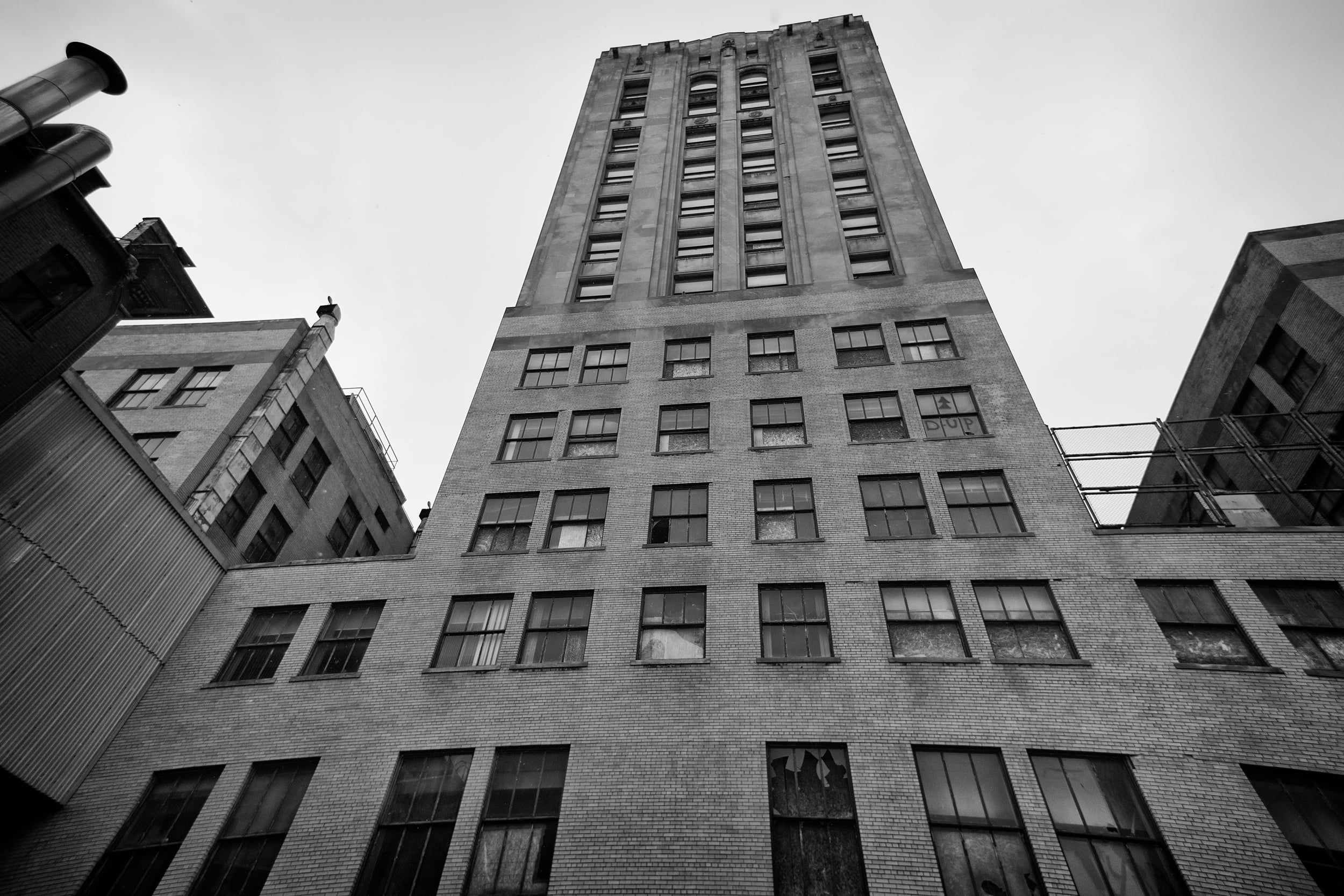
The 14 story Detroit Free Press building stands empty in downtown Detroit. It is the largest city newspaper owned by Gannett, the same company that owns The Tennessean and many more daily’s throughout the United States. The Detroit Free Press started about 184 years ago.

The paper left their large downtown structure in 1998 and moved into what they call their News Building. Gannett bought the paper in 2005 from Knight Ridder.

In 2008, they decided to cut distribution to homes and businesses to Thursday and Friday only. On other weekdays, the paper would continue to be sold on the newsstand, but it would be smaller than what Detroit residents grew up with.

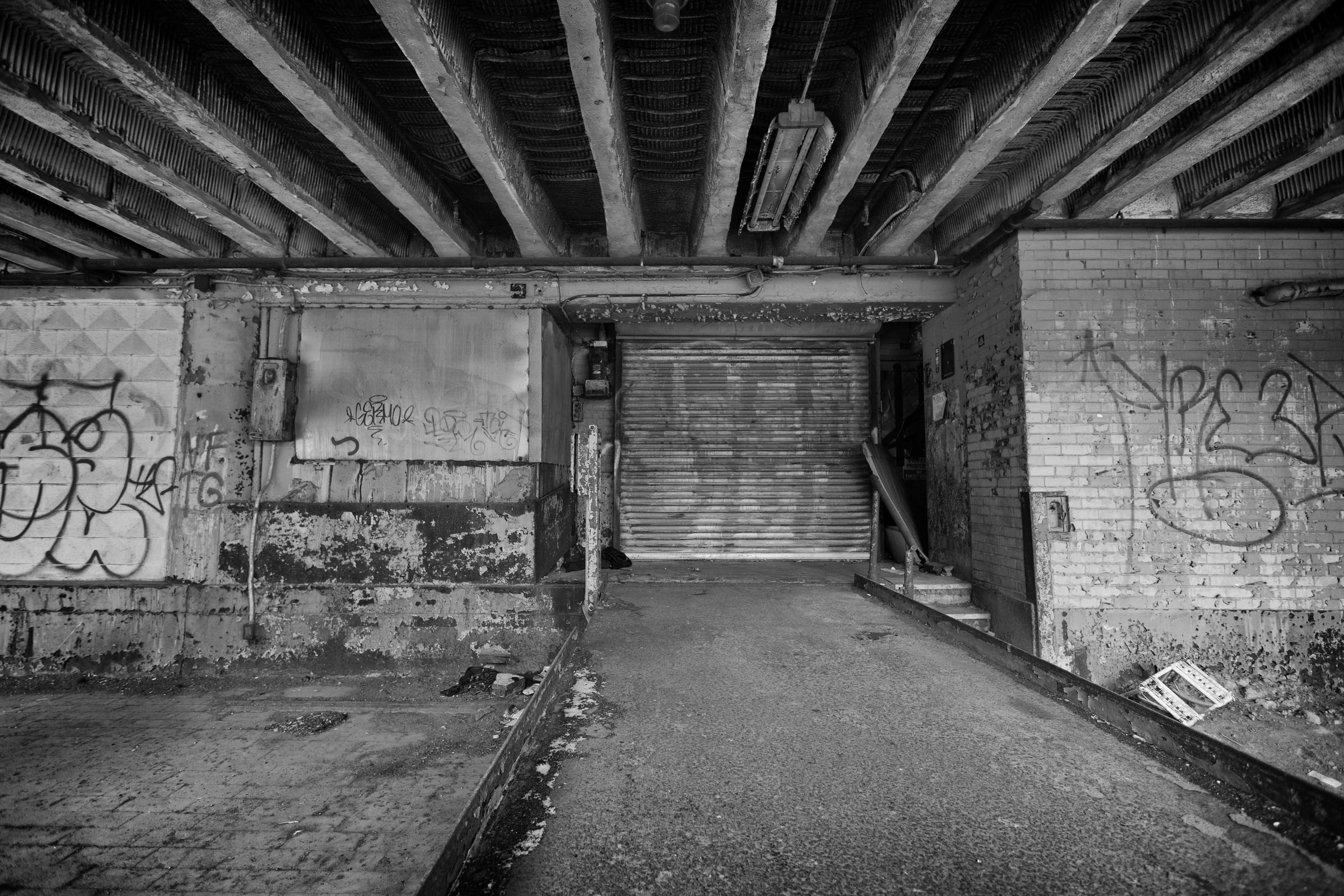
In 2014 the paper moved to the former Federal Reserve building in Detroit where today they utilize about less than six floors. The operation is much smaller than their previous address of 321 West Lafayette Street where their original Art Deco building that was constructed in 1924 still stands today. Today, the once busy loading docks sit empty and bricked over. 

In Places Tags Detroit, Detroit Free Press, urban decay, Empty Places, Empty Spaces, empty places, Canon
Comment

The Berlin Wall, but in America

Scott Walker January 9, 2016

Imagine a 1-foot thick wall dividing whites from blacks. Although no longer serving that purpose, a section of the wall still stands in the Motor City. However today, the wall is colorfully painted with persons of all races on the wall. But, it stood bare in some areas and littered with graffiti in other areas up until 2006.

When the wall was built in 1940, it stretched five miles and was 6-feet tall. It was the physical barrier between those who were white and owned their own home and those who were black homeowners. It is in the area of 8 Mile Road and is often referred to as the Eight Mile Wall or Detroit’s Wailing Wall. Some compare it to the Berlin Wall.

The idea to build the wall was launched into action in 1934 and finished in 1940. The time period was when Detroit was booming and the Federal Housing Administration was pushing for more home ownership among all races. Community groups wanted the wall to keep their neighborhoods segregated as they thought housing for those of color would interfere with the successful real estate market.

In Places Tags Detroit, 8 Mile Road, 8 Mile Wall, Fuji, X100s
Comment
View fullsize Inside (1 of 1).jpg
View fullsize Inside2 (1 of 1).jpg
View fullsize Inside4 (1 of 1).jpg
View fullsize Inside14 (1 of 1).jpg

Empty Places: The Packard Plant in Detroit closed in 1958

Scott Walker January 6, 2016

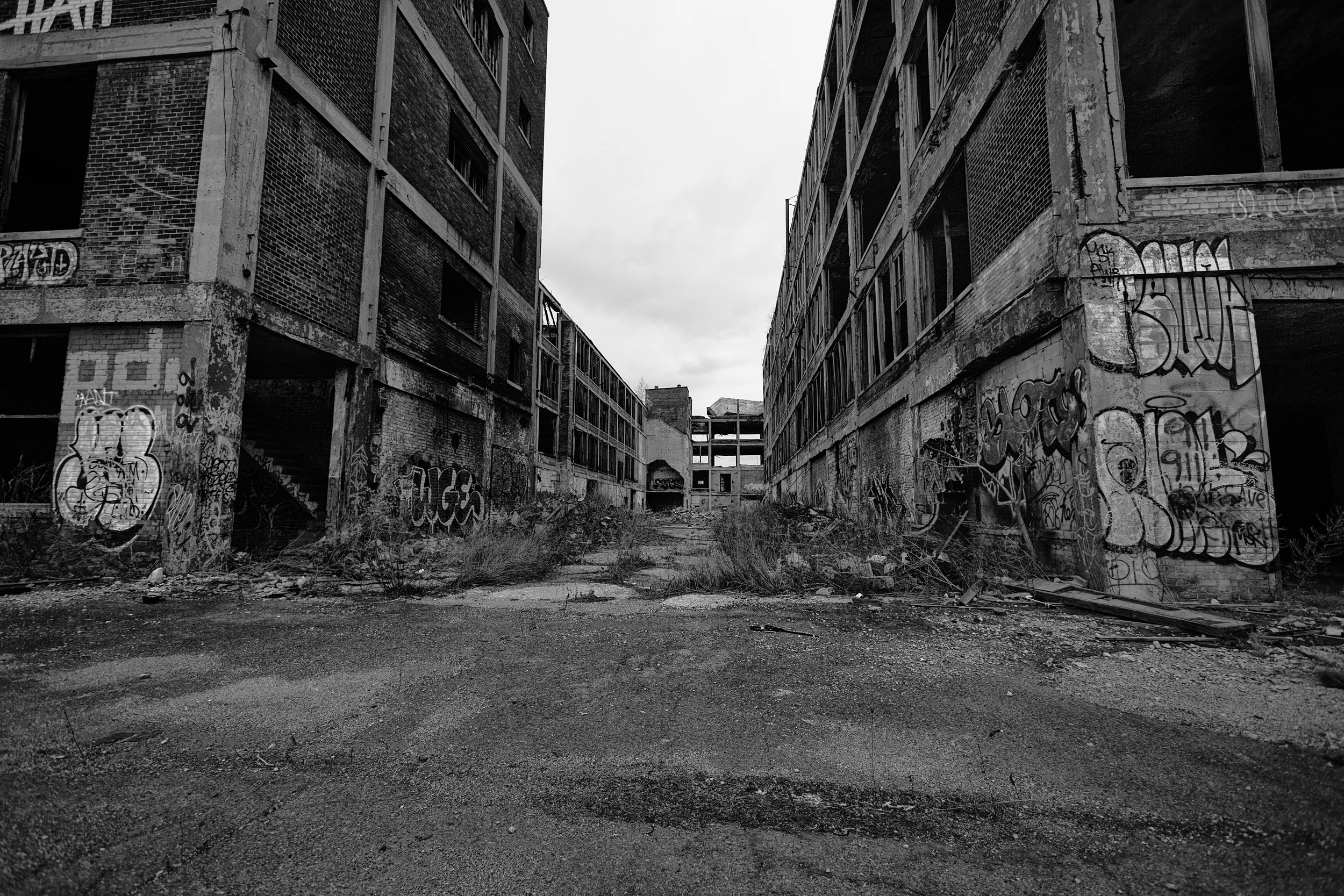
The Packard Plant sprawls multiple city blocks in Detroit and measures in at 3.5 million square feet. The Packard Company opened the plant to build luxury automobiles in 1903. At the time, the plant was considered to be the most modern automotive manufacturing facility in the world.

Inside the multi-level structure, cars were moved from one floor to another thanks to massive elevators. Each floor included a large workforce to manually build different sections of the Packard automobiles. Most of the buildings are still completely intact thanks to the brand new application of steel-reinforced concrete in the early 1900’s.

The Packard cars manufactured in the plant were no stranger to new ideas or inventions. In fact, Packard was the first company to build a working 12-cylinder engine and to provide air conditioning in a passenger car.

Detroit resident Henry Bourne Joy bought an Ohio made Packard in 1900. He was so impressed by the car that he helped to bring the company to Detroit, thanks to a group of investors. On October 2, 1902, the Packard car, which was manufactured under the name Ohio Automobile Company, changed their name to the Packard Motor Car Company.

In the 1940’s, Packard switched from cars to the war production of airplane engines. The conversion proved to be extremely positive giving the company millions of dollars in reserve. However, bad management decisions and struggles with Ford, GM and Chrysler in the mid 1950’s destroyed the company.

Packard closed their doors for good in 1958. Other businesses rented the massive property from time to time for storage, but that completely ended for all but one of the buildings in the 1990’s. A company called “Chemical Processing” stayed in one of the many Packard structures until year 2010.

In Places Tags Packard, Packard plant, empty places, Empty Places, empty spaces, Detroit, Scott Walker, Canon
Comment
View fullsize Side 4 (1 of 1).jpg
View fullsize Side 3 (1 of 1).jpg
View fullsize Hall9 (1 of 1).jpg
View fullsize Outside (1 of 1).jpg
View fullsize Front (1 of 1).jpg
View fullsize Inside (1 of 1).jpg
View fullsize front doors (1 of 1).jpg
View fullsize office2 (1 of 1).jpg
View fullsize Inside door (1 of 1).jpg
View fullsize Front Desk (1 of 1).jpg
View fullsize Smoking (1 of 1).jpg
View fullsize Auditorium (1 of 1).jpg
View fullsize Cafateria (1 of 1).jpg
View fullsize Elavator (1 of 1).jpg
View fullsize Food line (1 of 1).jpg
View fullsize Hall 1 (1 of 1).jpg
View fullsize Hall 2 (1 of 1).jpg
View fullsize Hall 3 (1 of 1).jpg
View fullsize Hall 5 (1 of 1).jpg
View fullsize Hall 6 (1 of 1).jpg
View fullsize Hall 7 (1 of 1).jpg
View fullsize Blue Print.jpg

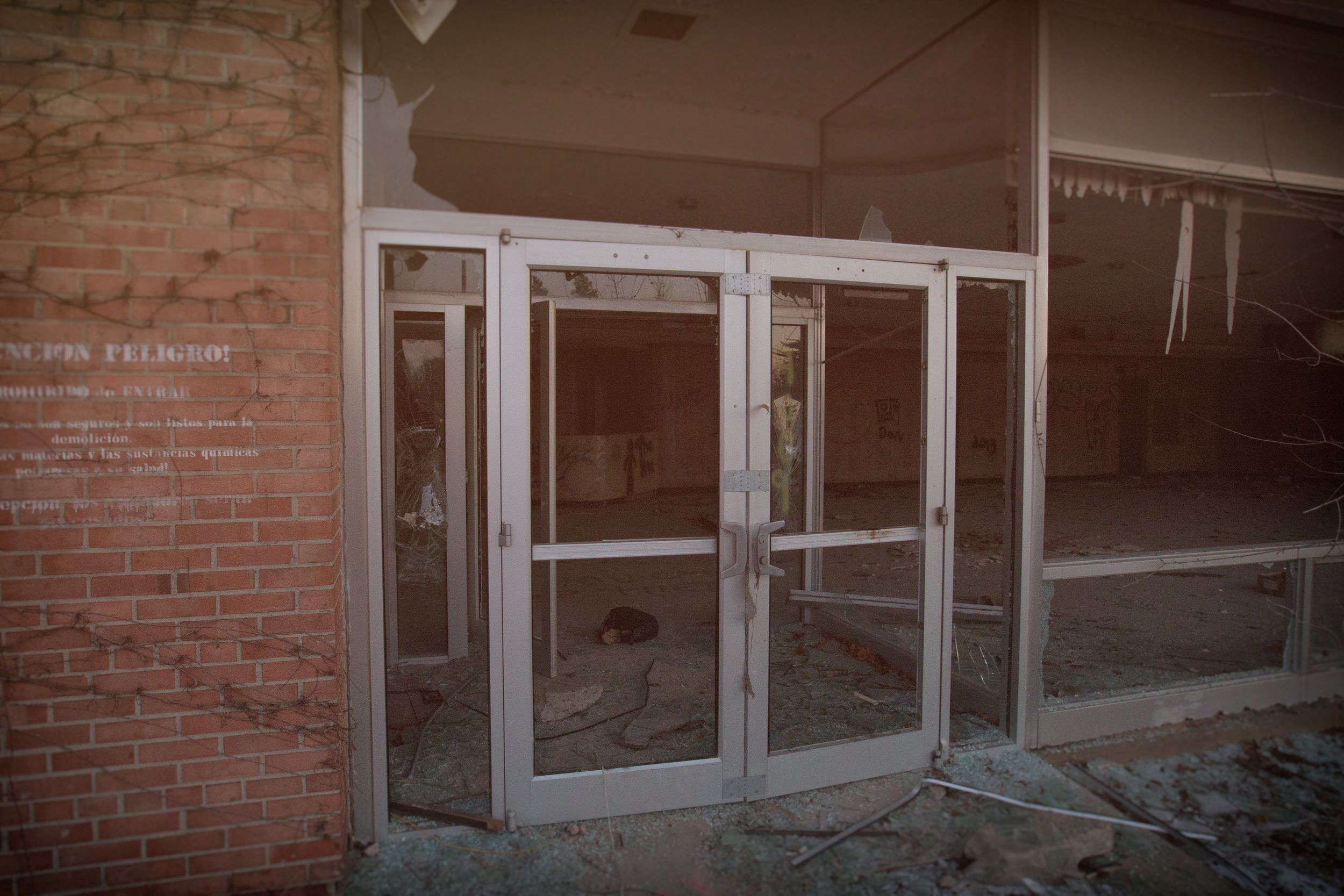
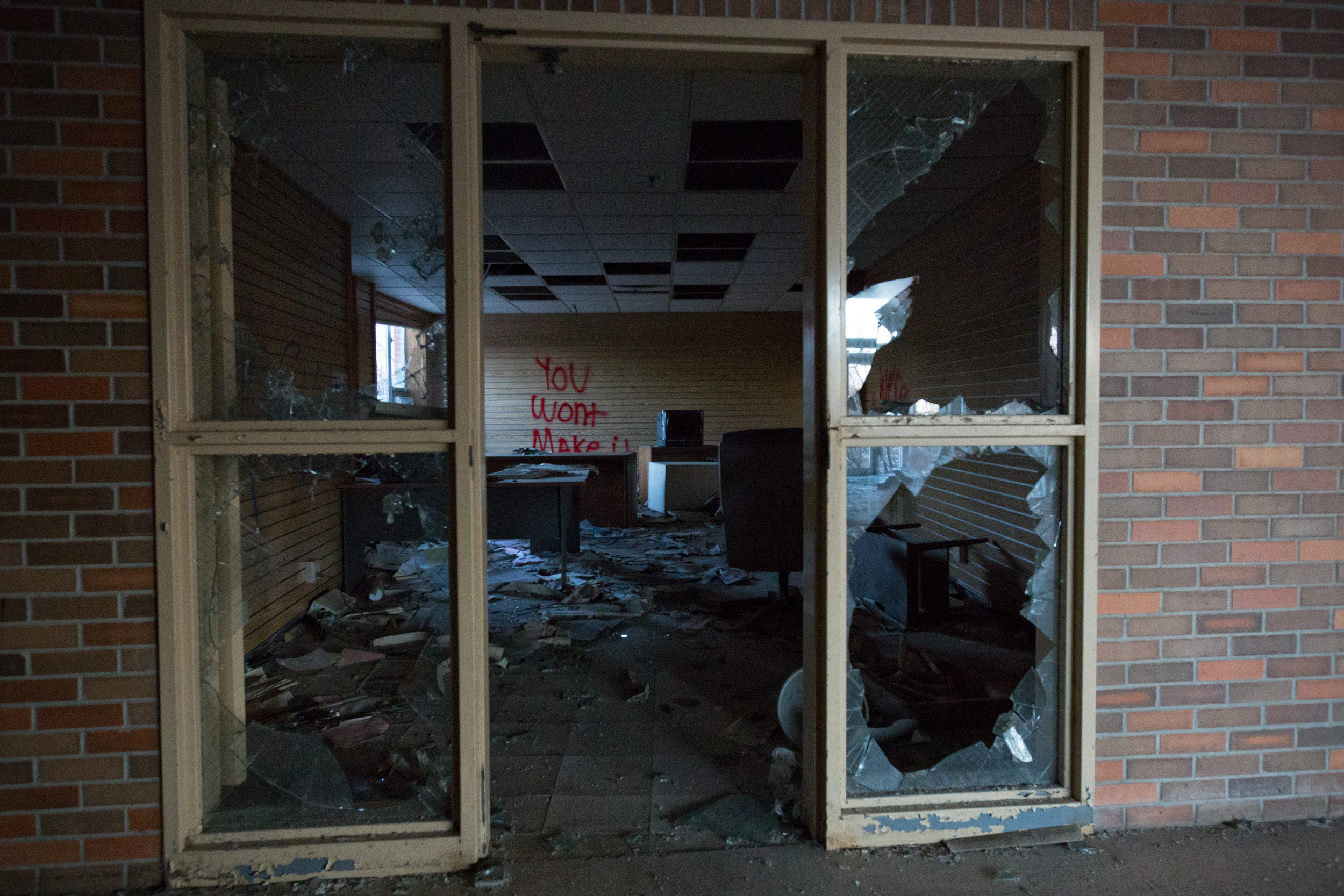
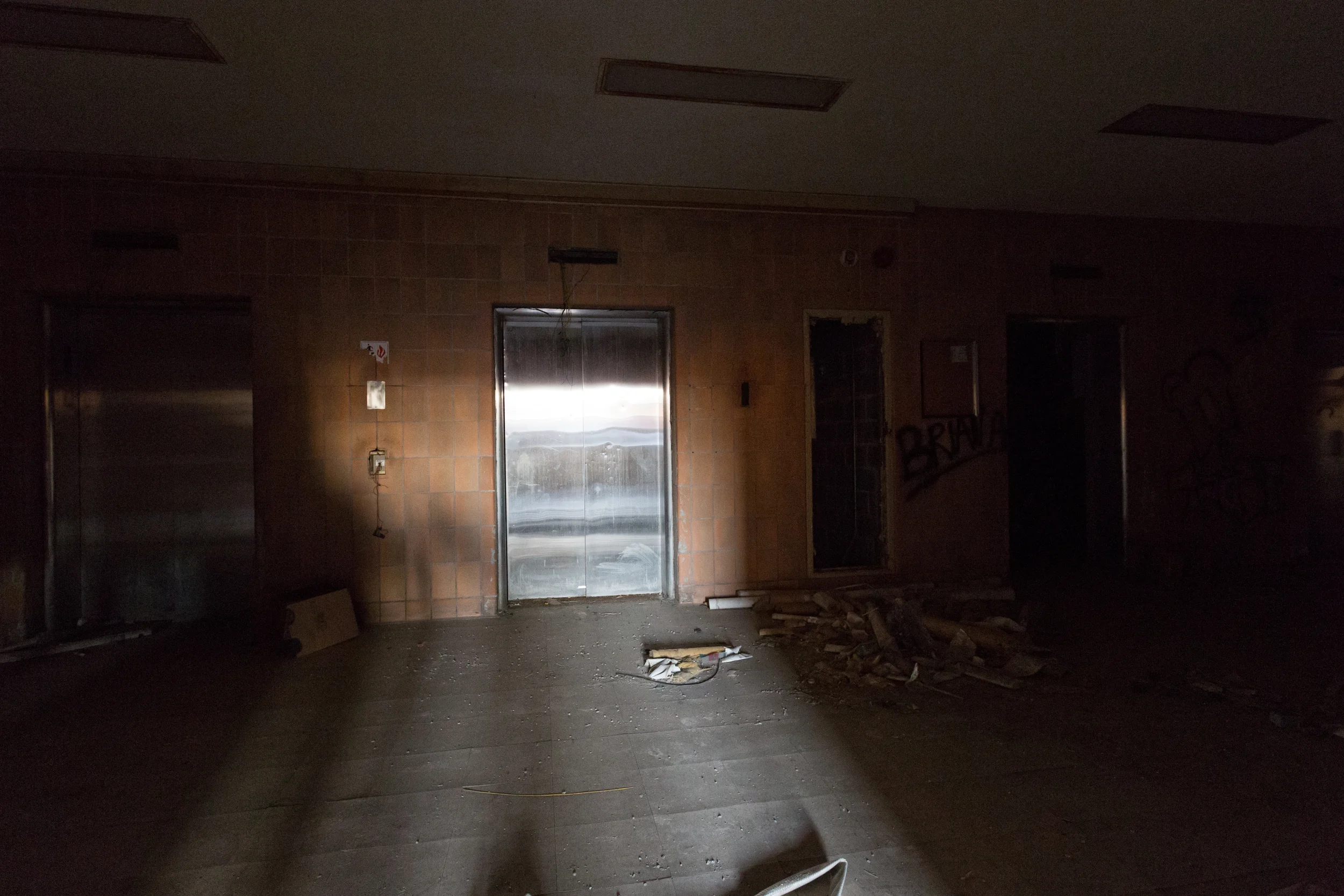
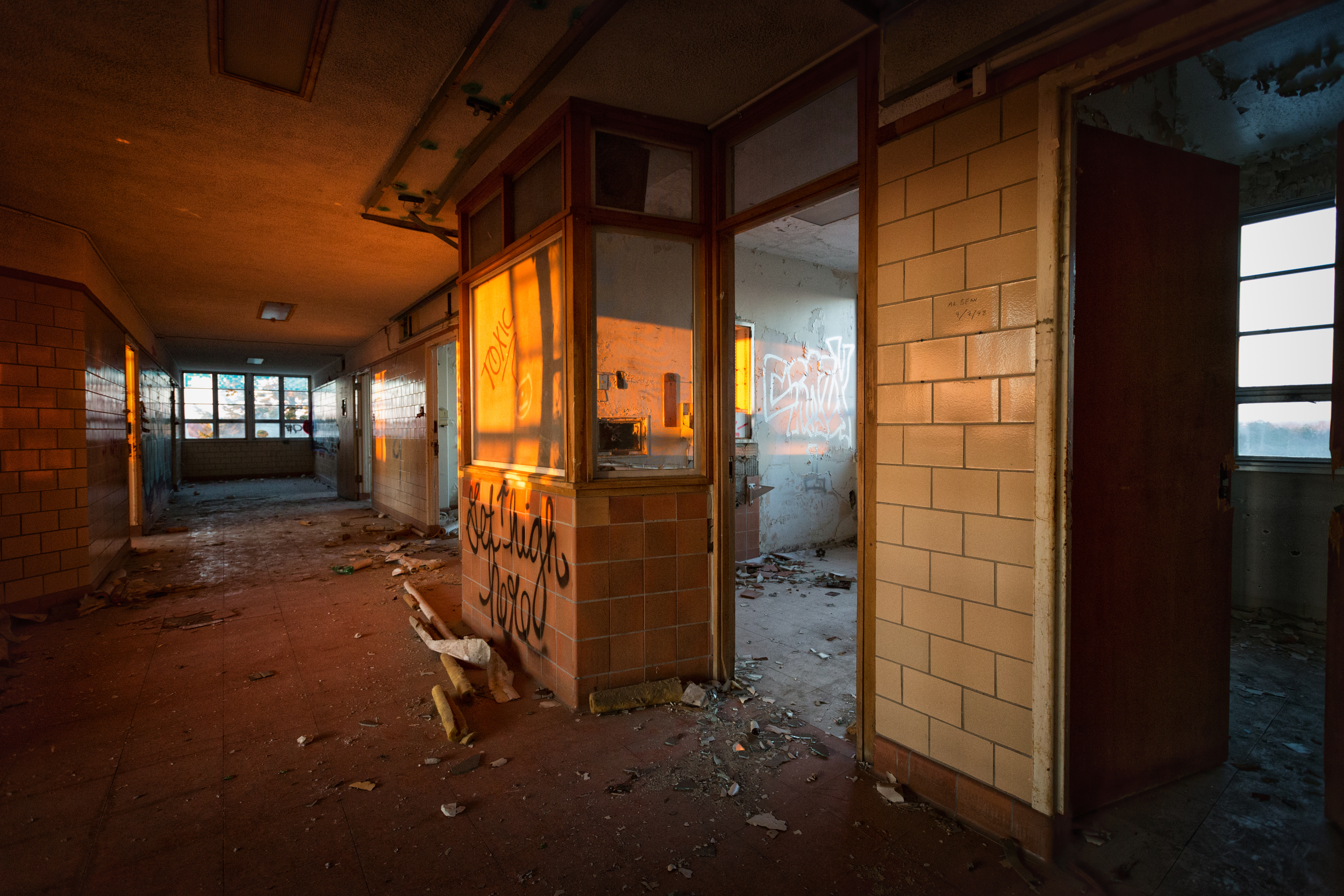
Empty Places: Northville Psychiatric Hospital

Scott Walker January 4, 2016

The Northville Psychiatric Hospital opened in 1952 in the Township of Northville, about 30-minutes from the City of Detroit. The massive structure was built on 453 wooded acres and had 20 buildings that included a movie theater, a swimming pool, gymnasium and even a bowling alley. It was once known as a premiere psychiatric hospital with top notch care that utilized art and music to aid in treatment.

By the 1970’s, budgets for such hospitals were drastically cut and Northville’s high standing in the medical world started to collapse. The number of patients soared from 650 to 1,000+. To make matters worse, the hospital was designed to hold only 650 beds, so the bowling alley and gymnasium looked like a shelter for storm victims by 1971 filled with cots.

As medical staff was cut, doctors ditched music and art related treatment for the mentally ill and focused only on medicine. The Detroit News reported in the early 1980’s that patients were found sleeping in hallways, rape and assaults were common and some patients even died while fighting with staff, other patients died from alleged medical malpractice, as seen in past lawsuits filed against Northville.

The facility eventually closed in the early 2000’s and has sat vacant ever since. Problems selling the property revolved around medical waste, arsenic, barium and lead being dumped on the once pristine 453 acres of land.

The hospital has been deemed as one of the most haunted places in Michigan by some.

In Places Tags Northville Psychiatric Hospital, Detroit, Empty Places, empty places, empty spaces, urban decay, Canon
Comment
View fullsize Empty Theater 2 (1 of 1).jpg
View fullsize Empty Theater 3 (1 of 1).jpg
View fullsize Empty Theater 4 (1 of 1).jpg
View fullsize Empty Theater 5 (1 of 1).jpg
View fullsize Empty Theater 6 (1 of 1).jpg
View fullsize Empty Theater 7 (1 of 1).jpg
View fullsize Empty Theater (1 of 1).jpg
View fullsize Empty Theater 8 (1 of 1).jpg
View fullsize Empty Theater 9 (1 of 1).jpg
View fullsize Empty Theater 10 (1 of 1).jpg
View fullsize Empty Theater 11 (1 of 1).jpg
View fullsize Empty Theater 12 (1 of 1).jpg

Empty Places: The National Theater in Detroit

Scott Walker January 3, 2016

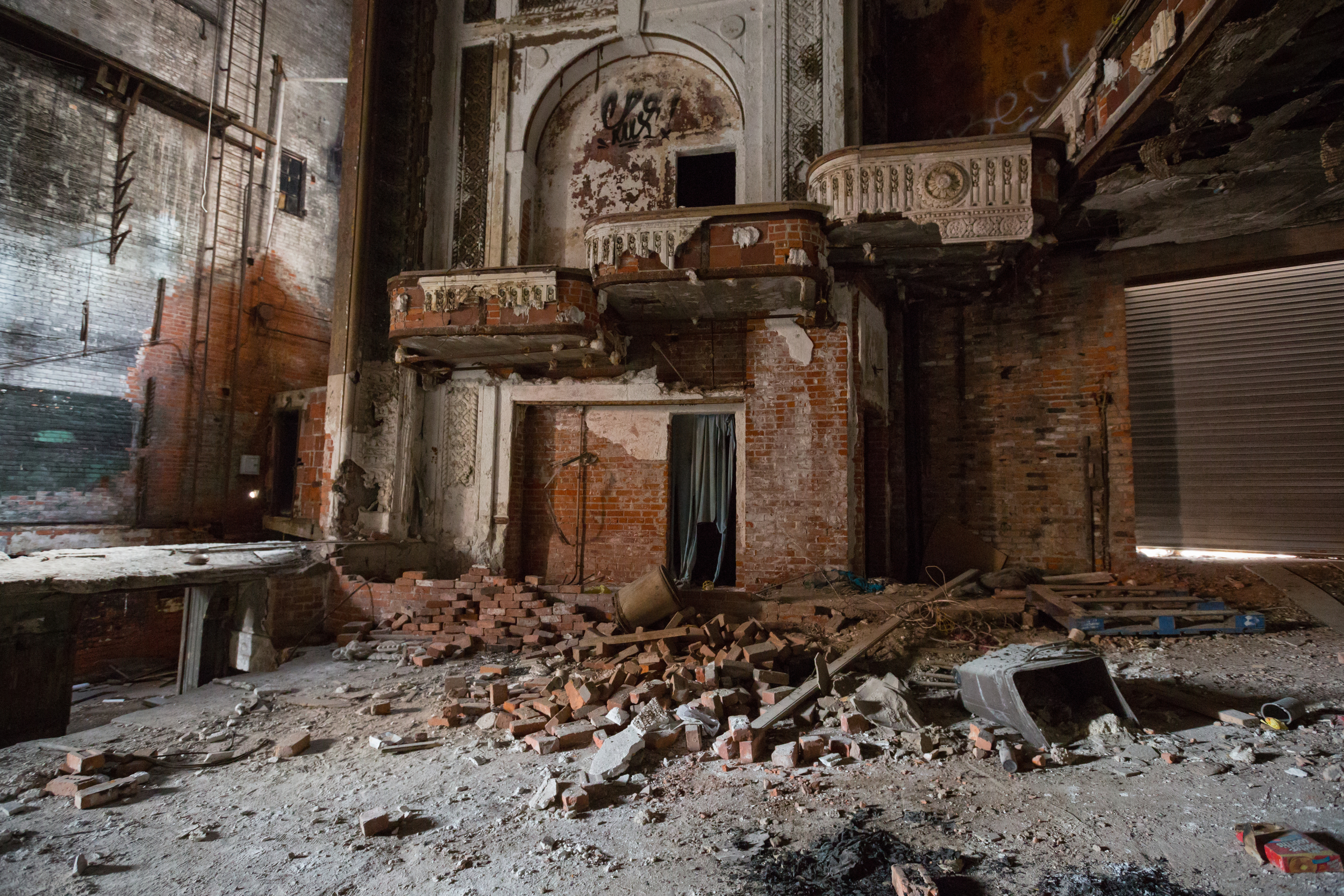
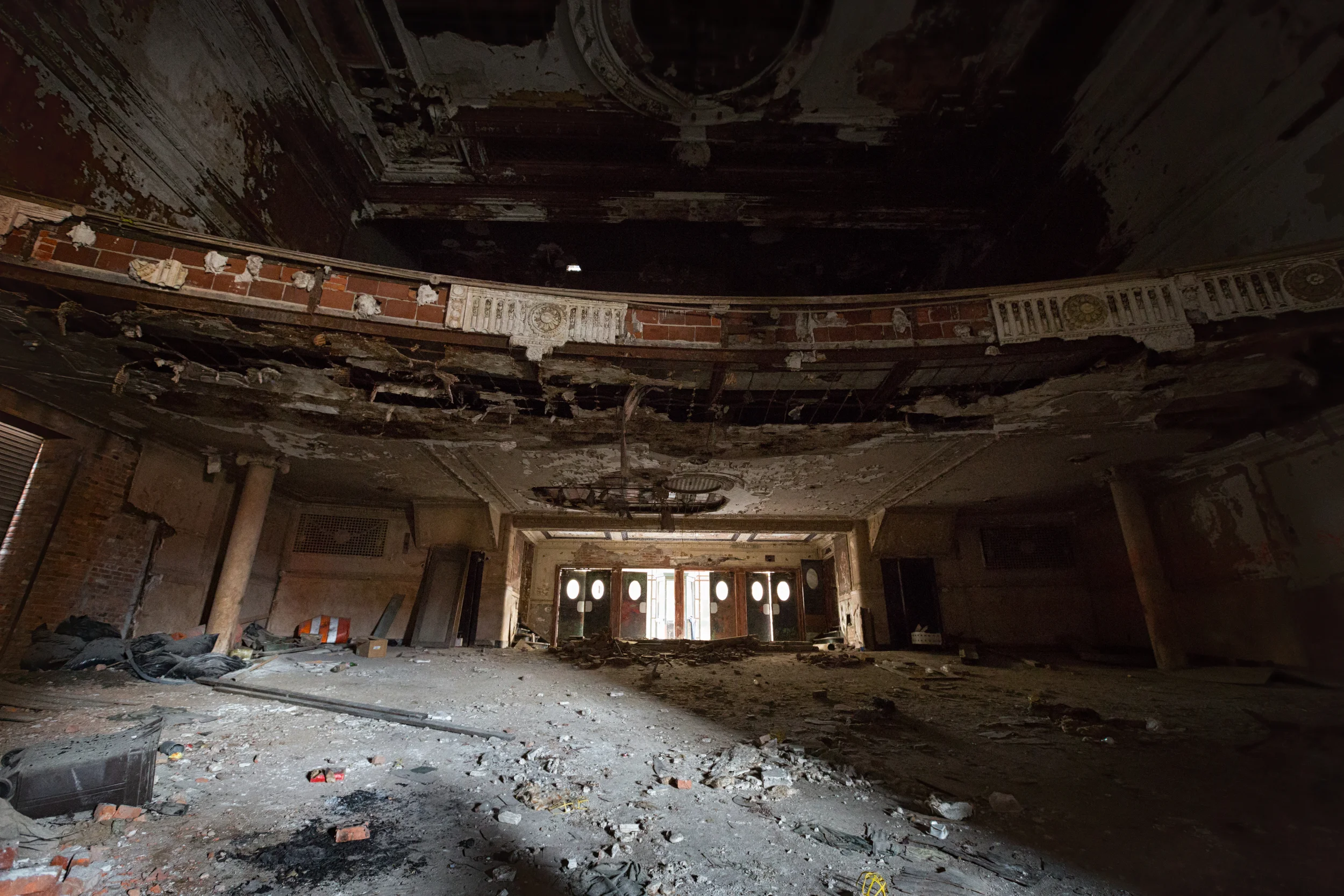
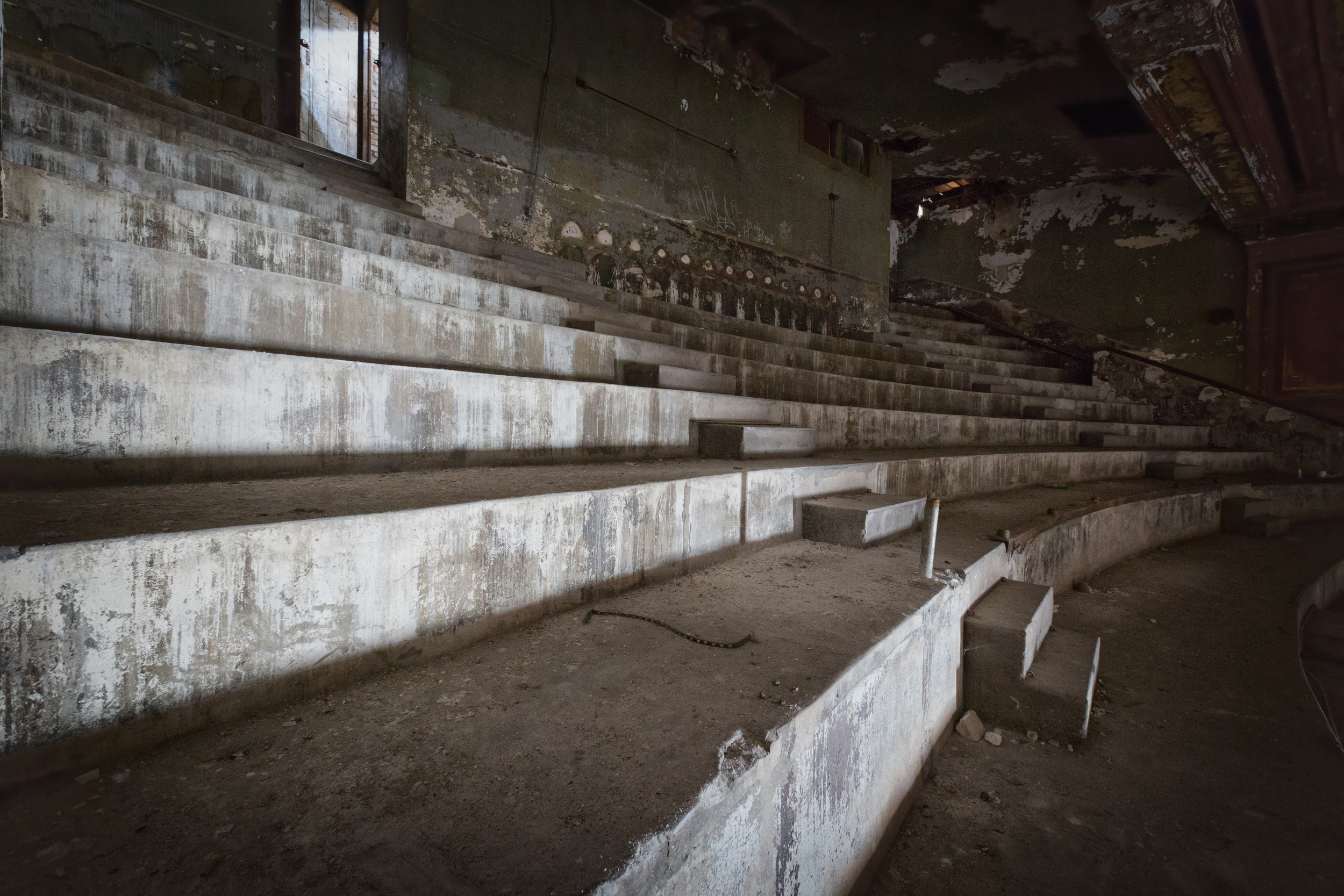
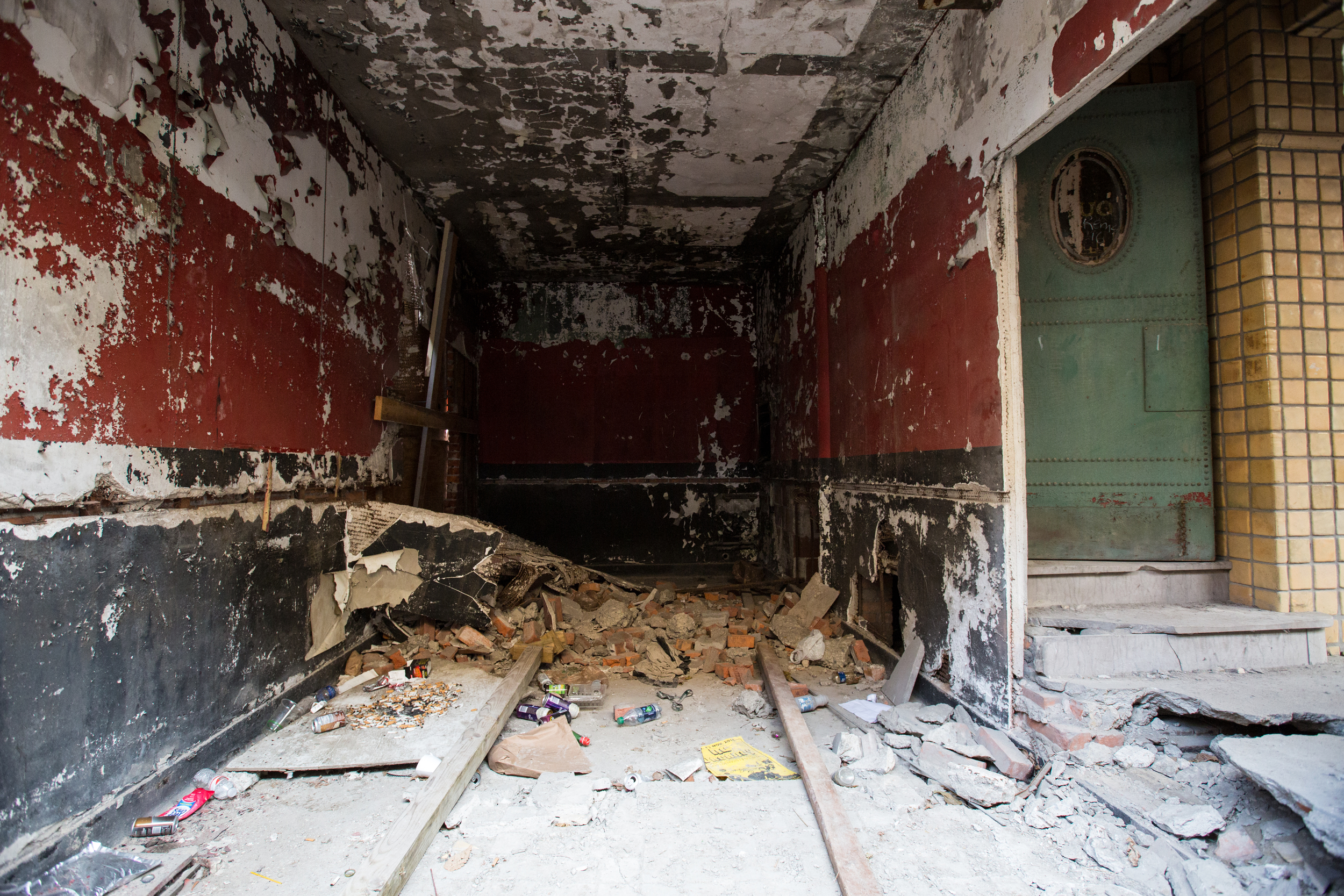
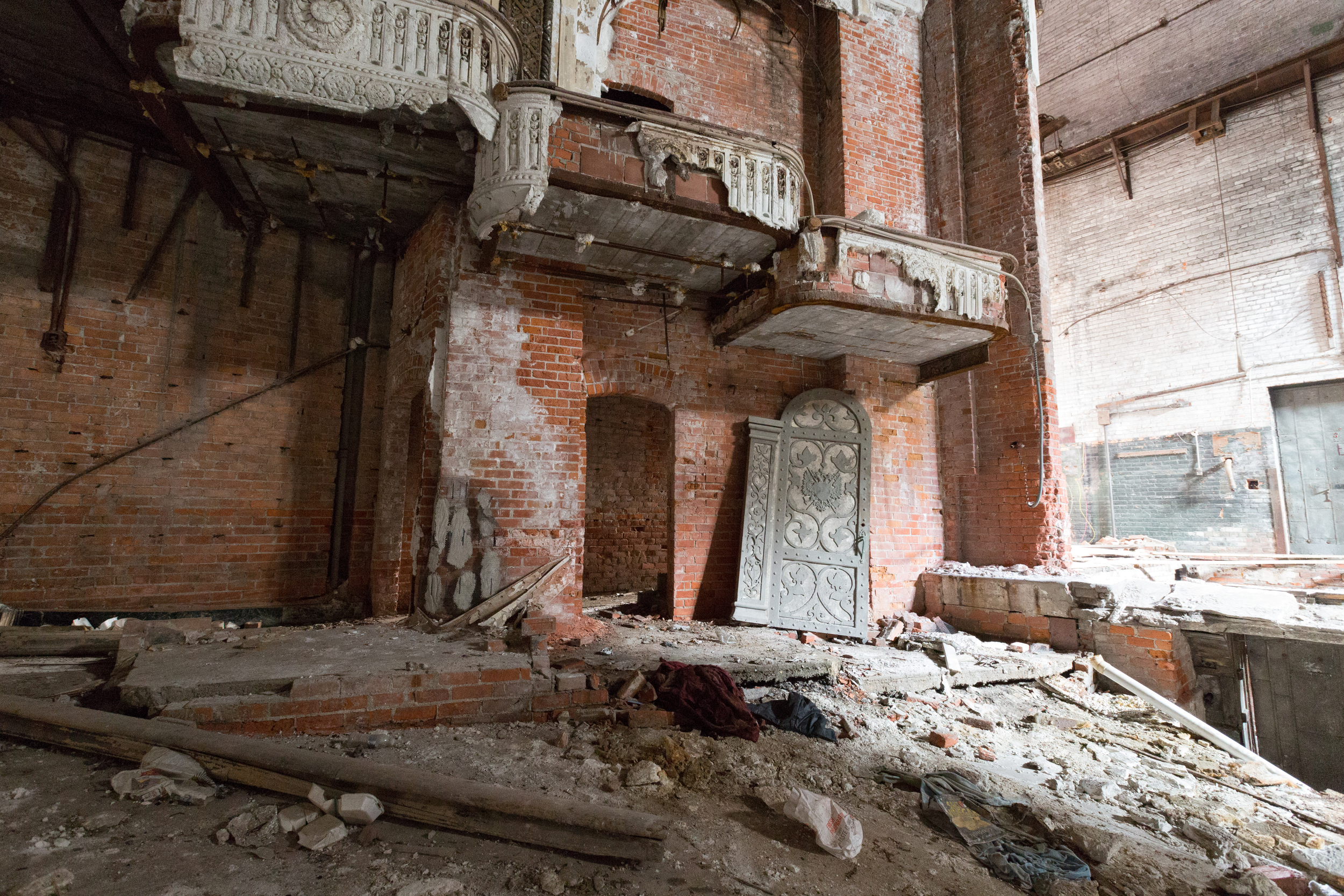
The National Theater of Detroit Michigan is the oldest theater in the city. It was built in 1911 and closed down in 1975. The structure is labeled historic, so it cannot be torn down. The theater sat 800 patrons during nearly every performance.

The theater opened with comedy acts, song and dance in 1911. In a strange twist, the theater closed in 1975 with multiple showings of adult films (pornography). Reports indicate the adult films hit the National in 1970 and continued up until their closing date.

The theater was sold in 1976 for $35,000 and never reopened. The building was later sold again in 1977 to a man who wanted to turn it into a restaurant. The idea never materialized as the theater had unpaid back taxes.

In 1999 the theater was sold again, but plans for turning it back into a theater died when it was learned it would cost between $12 million and $20 million to renovate.  

Today, the theater sits empty and boarded up. 

In Places Tags National Theater, Detroit, urban decay, Empty Places, empty places, empty spaces
Comment

Empty Places: Home and store on East Bethune Street in Detroit

Scott Walker January 3, 2016

This home was first just that, a single family residence. It was later remodeled to feature a downstairs store front on East Bethune Street with living quarters upstairs. It now sits empty and gutted due to fire. 

In Places Tags empty places, Empty Places, Detroit, urban decay, Scott Walker
Comment
← NewerOlder →

street

empty places

cuba

israel

mexico

third worlds

seattle

grand canyon

las vegas

alaska

hands

bonnaroo

hippie hill

nashville

tennessee

mississippi

detroit

washington dc

chicago

new york

kentucky

atlanta

transportation

fuji x

canon

news

home

for hire

© Scott Walker

street • BLACK & WHITE • empty places • protest• poverty • transportation • domestic violence •  life in living • just people • third worlds • mexico • Israel • JERUSALEM • Cuba • Nicaragua haiti  • dominican republic • canada • hands • bonnaroo • hippie hill • seattle  • grand canyon  • las vegas  • alaska •  nashville • chattanooga • Memphis • tennessee • FLORIDA • INDIANA • mississippi  • detroit •  washington dC •  chicago • new york •  kentucky •  atlanta • CALIFORNIA


ABOUT
/ CONTACT / TRAVEL PHOTOGRAPHY / BUSINESS PHOTOGRAPHY